Why We Discount What We Know How to Do
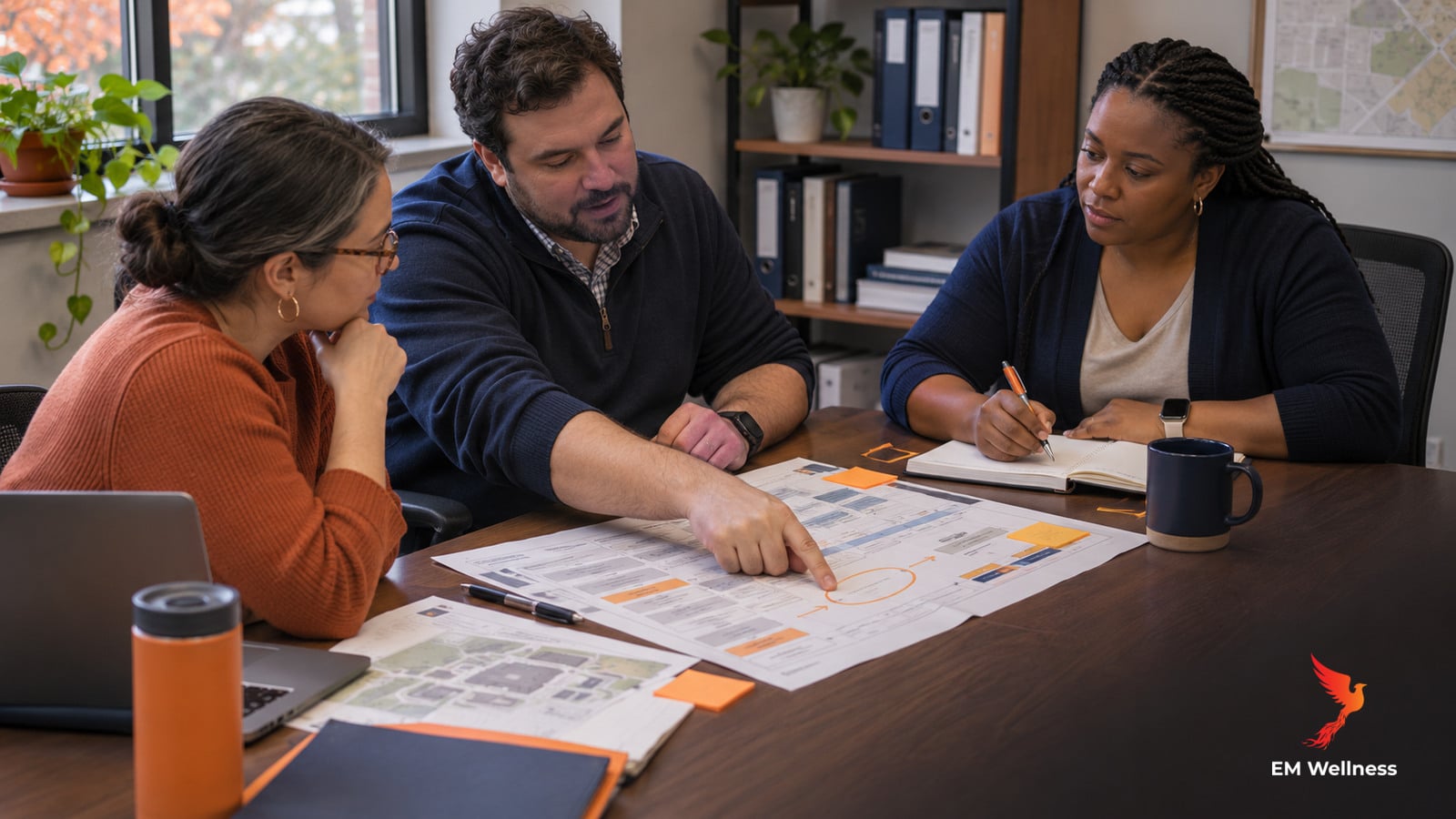
You’ve helped run exercises for years. You’ve brought departments together, worked through changes on the day, and followed up on what needed fixing. Then someone asks if you’d like to help design the next one. Your first thought is, I’ve never done that. By the time you answer, you’re thinking of someone else they should ask.
There’s a real difference between helping run an exercise and designing one. But once you focus on the part you haven’t done, it’s easy to lose sight of everything you’d bring to it. And if you pass every time you feel unsure, you miss some of the chances that would help you find out what you can do.
Why the part we haven’t done gets so much weight
When you’ve been doing something for a while, it can start to feel like the sort of thing anyone could do. You remember that you had help or that the plan changed halfway through. You may give yourself less credit for working with the people involved and figuring out what to do when it changed.
Psychologist Albert Bandura’s work on self-efficacy helps explain why this matters. What we believe we can do affects which activities we take on and how long we stick with them. Our past successes help shape those beliefs. If you routinely explain away the work you’ve handled, you give yourself less to draw on the next time you feel unsure. At work, that might mean passing up an assignment you’d enjoy. Over time, you can get better at the work and still feel just as unsure of what you can do.
We can overlook the same experience in other people
When we know someone’s title, we tend to picture the version of that job we’ve seen. In emergency management, that can lead us pretty far astray. The only person assigned to emergency management in a small jurisdiction may write plans, organize exercises, and arrange staffing for the emergency operations center. Someone who does it as a collateral duty may carry out similar work under a different title. In a large agency, several teams may share those responsibilities. If your reference point is your own team, you can miss what a colleague elsewhere has been doing for years.
That can shape who gets asked to lead the next initiative. If you keep going back to the person you already know can do it, they get another chance to build experience. The person you overlooked has one fewer example to point to the next time an opportunity comes up.
Check what you’re basing the decision on
The next time you think, I can’t do that, get specific. What have you already handled? What would be new? What could you take on with some support? In the exercise example, you might realize you’re ready to draft the objectives with someone who’s designed an exercise before. That’s a way to build on what you’ve already done while getting help with the part that’s new.
When you’re making that call about someone else, ask them to walk you through what they actually did. Then ask what part they’d like to try next. You may find they’re ready for a piece of the work you were about to hand to someone else. The next time a similar opportunity comes up, you’ll both have a new example to draw on.
Related Worth Exploring episode
If you’re taking stock of your experience for a job search, Stephanie DeLorenzo and I talked about how to show what you’ve done and build experience where you’re missing it. Watch the conversation here.